Should You Lift or Lower Your Truck? A Mechanic's Guide
Lifting and lowering both change how your truck looks, drives, and wears parts. Here's what to know before you spend money on the wrong setup.
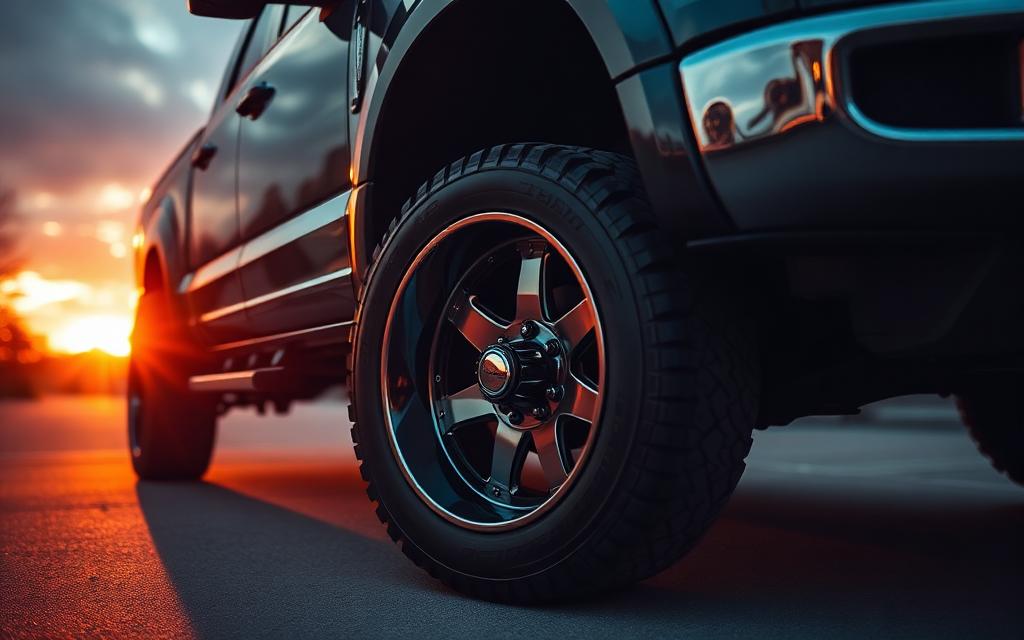
Why lift a truck?
A lift kit gives ground clearance for off-roading, bigger tires, and a commanding stance. But it also changes suspension geometry, driveline angles, and steering feel.
Done right, a lift rides almost stock. Done cheap, you'll fight wander, premature ball-joint wear, and CV axle problems. See how we handle custom lowering, leveling, and lifting and when a custom tubular suspension build makes more sense.
Why lower a truck?
Lowering improves handling, reduces body roll, and gives a street-truck look. Common methods include drop spindles, lowering springs, shackles, and air suspension.
The key is keeping usable suspension travel and proper alignment so you don't bottom out over every driveway. Worn bushings and tie rods get exposed fast after a drop, so we inspect suspension and steering before signing off.
What affects the cost
Price depends on the kit brand, whether you need new shocks, alignment correction parts, and any trimming or welding. A basic leveling kit is quick; a full lift with new control arms and geometry correction takes longer. Fabrication and custom exhaust or welding work can be bundled into the same visit, and race and off-road builds are quoted separately.
Get it measured and aligned
After any height change, we measure ride height, check all angles, and align the truck to spec. We also test-drive to make sure it tracks straight and doesn't rub.
If you're in the Houston Bay Area and want a lift, level, or drop done correctly, we bring the shop to you. Browse the full service list or get an instant estimate. Bigger tires also load the hubs harder — see wheel hubs and bearing service.